Consumer Electronics Springs
Dimensional precision and force consistency in compact assemblies where millimeter-level deviation affects assembly reliability and mass production stability.

Where Springs Are Used in Consumer Electronics Assemblies
Springs function as mechanical components within internal assemblies, enabling electrical contact, retention, and actuation mechanisms in compact layouts.

Battery Contact & Retention Mechanisms
Battery springs maintain electrical contact between battery cells and terminal contacts while providing mechanical retention against vibration and drop impact.

Touch & Actuation Mechanisms
Touch springs provide tactile feedback in button assemblies and switch mechanisms where actuation force directly determines operational feel consistency.

Electrical Contact & Connector Mechanisms
Contact springs and connector springs establish and maintain electrical pathways in charging ports, data connectors, and internal circuit connections.

Positioning & Retention Features
Retention springs and positioning springs secure components within tight tolerances and maintain component alignment during assembly operations.
Common Challenges in Consumer Electronics Spring Applications
Manufacturing and assembly failures that directly impact production yield, device reliability, and assembly line efficiency in high-volume environments.
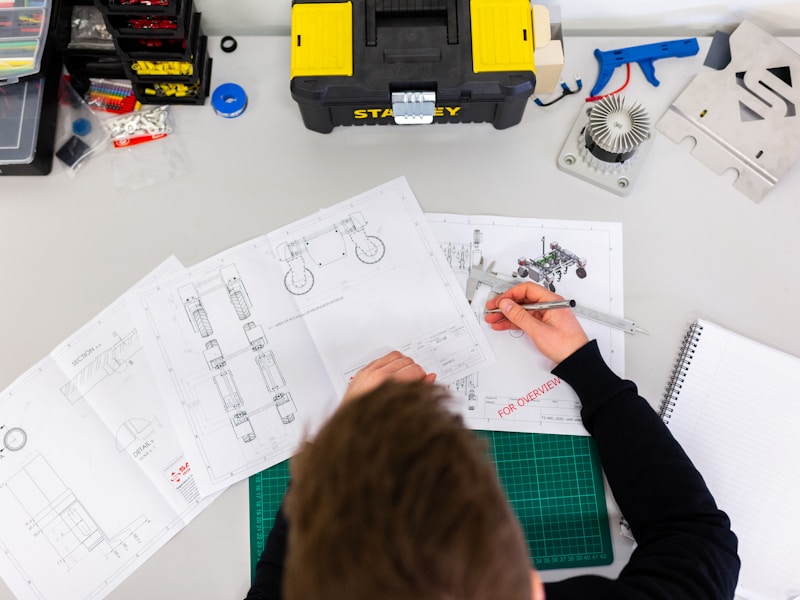
Force Inconsistency Across Production Batches
Spring force variation between batches causes uneven contact pressure in battery terminals and inconsistent actuation behavior in button assemblies, leading to device performance variation that appears as field failures or customer complaints.
Dimensional Variation in Small Form Factors
Compact geometry amplifies the impact of dimensional deviation. A 0.1mm error in free length or coil diameter can prevent proper spring seating, cause interference with adjacent components, or create gaps that allow component movement.
Deformation During Automated Assembly
High-speed automated insertion generates impact forces that can permanently deform springs with insufficient material strength or improper heat treatment. Deformed springs lose force consistency and may not return to design position.
Unstable Electrical Contact Caused by Spring Force Drift
Contact springs that lose force over time create intermittent electrical connections. This manifests as charging failures, data transfer errors, or signal interruption during device operation, particularly after thermal cycling or vibration exposure.
Manufacturing Considerations for Consumer Electronics Springs
Process control requirements that determine whether springs will maintain dimensional accuracy and force consistency across millions of units.
Forming Consistency for Small Springs
Wire diameter below 0.5mm requires precise feed control and coiling speed adjustment to prevent dimensional drift. Tooling wear monitoring prevents gradual diameter increase that compounds across production runs, affecting final spring characteristics.
Dimensional Control in Compact Geometries
Compact spring designs leave minimal clearance for dimensional variation. CMM verification confirms coil diameter, free length, and overall geometry meet tolerance requirements before batch release to prevent assembly interference.
Load Verification for Contact Reliability
Contact force testing at specified deflection verifies spring will maintain electrical contact under rated conditions. Force drift outside specification indicates heat treatment deviation or material inconsistency that will cause field failures.
Stability Under High-Volume Production
Process capability verification through statistical sampling confirms that dimensional variation and force consistency remain within specification across sustained production volumes, preventing gradual drift that accumulates into assembly problems.
Consumer Electronics Spring Types
Spring configurations used in consumer electronics assemblies, selected based on mechanical function and spatial constraints.

Contact Spring
Establishes and maintains electrical pathways in charging interfaces, data ports, and internal circuit connections where contact force stability determines connection reliability.

Button Spring / Switch Spring
Provides return force in button assemblies and switch mechanisms where actuation consistency across units affects operational behavior during device use.

Connector Spring
Maintains contact pressure in connector assemblies where dimensional variation affects mating reliability and force drift causes connection instability during thermal cycling.

Terminal Spring
Secures electrical contact at terminal points where contact force consistency prevents intermittent connection and dimensional accuracy ensures proper seating in automated assembly.
Spring Contact
Functions as conductive element in circuit connections where surface finish quality and force stability determine contact resistance and long-term reliability under operational conditions.
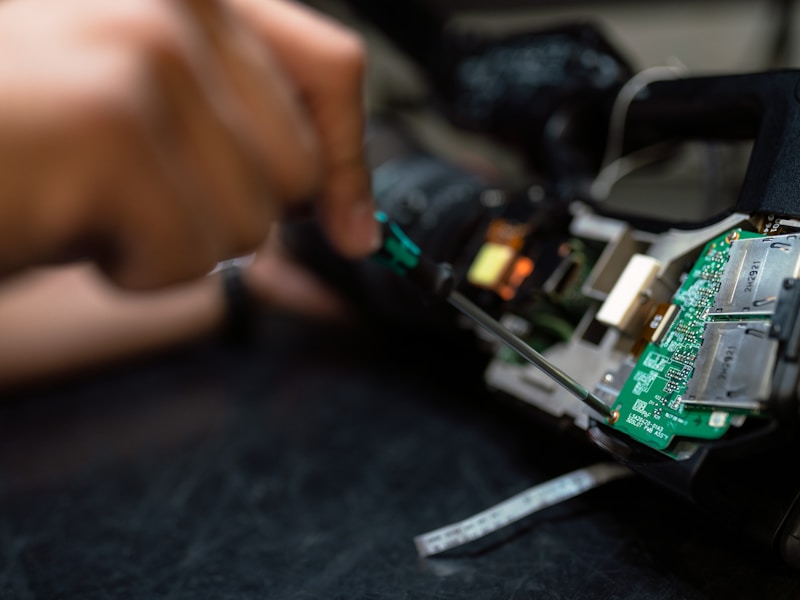
Retention Spring
Secures component position within assembly where force variation allows component shift during drop testing and dimensional tolerance affects automated insertion success rate.
Shielding Spring
Maintains mechanical contact between shielding components and housing where contact force ensures consistent interface pressure and dimensional accuracy prevents assembly interference.
Need technical specifications for your application?
Request Engineering ReviewRepresentative Consumer Electronics Manufacturing Cases
Manufacturing challenges resolved through process control and dimensional verification in high-volume production environments.
Battery Compartment Contact Spring
Force variation between production batches caused intermittent battery connection failures during drop testing. Statistical process control implemented to maintain force consistency within ±3% across batches.
Touch Spring for Button Assembly
Dimensional deviation in free height caused inconsistent button return position during automated assembly. CMM verification protocol established to confirm geometry before batch release.
Connector Spring for Data Port
Contact force drift over thermal cycling caused connection instability during device operation. Material specification revised and heat treatment parameters adjusted to maintain force stability.
Why Electronics Manufacturers Work With Us
Manufacturing judgment that identifies dimensional and force-related risks before they become assembly problems or field failures.
Refusing Designs That Cannot Maintain Force Consistency
Design configurations that require force tolerances tighter than manufacturing process capability will fail in production. We identify these limitations during technical review and recommend geometry modifications that achieve functional requirements within achievable manufacturing tolerance.
Highlighting Assembly Risks in Compact Layouts
Compact assemblies amplify the impact of dimensional variation. Interference analysis during design review identifies clearance issues that will cause automated assembly failures, allowing geometry adjustment before tooling commitment.
Preventing Batch Variation in High-Volume Runs
Statistical process control protocols verify that dimensional accuracy and force consistency remain stable across sustained production. First-article inspection and periodic sampling prevent gradual drift that accumulates into assembly line stoppages.
From Sample Approval to Stable Mass Production
Verification sequence that confirms dimensional accuracy and force consistency before production commitment.
Sample Submission
Initial samples produced from production tooling undergo dimensional inspection and load testing to verify conformance to drawing specifications.
Dimensional Inspection
CMM verification confirms coil diameter, free length, wire diameter, and overall geometry meet tolerance requirements before functional testing proceeds.
Load Verification
Force testing at specified deflection points verifies spring rate and confirms load characteristics match design requirements under operational conditions.
Batch Control Protocol
Statistical sampling during production runs monitors dimensional stability and force consistency to detect process drift before nonconforming parts reach assembly.
Production Timeline
Sample approval to first production shipment typically requires 7-10 business days following dimensional verification and load testing confirmation. Batch production lead time depends on volume requirements and material availability.
Start Your Consumer Electronics Spring Project
Upload your drawing for technical review and manufacturing feasibility assessment. We'll identify dimensional risks and provide recommendations for achieving stable production.